

We are told to fear artificial intelligence. That machines may one day think for themselves, make cold decisions, act without empathy.
But what if the greater danger is not machines at all?
What if it is us — and how easily we accept violence when it comes from power?
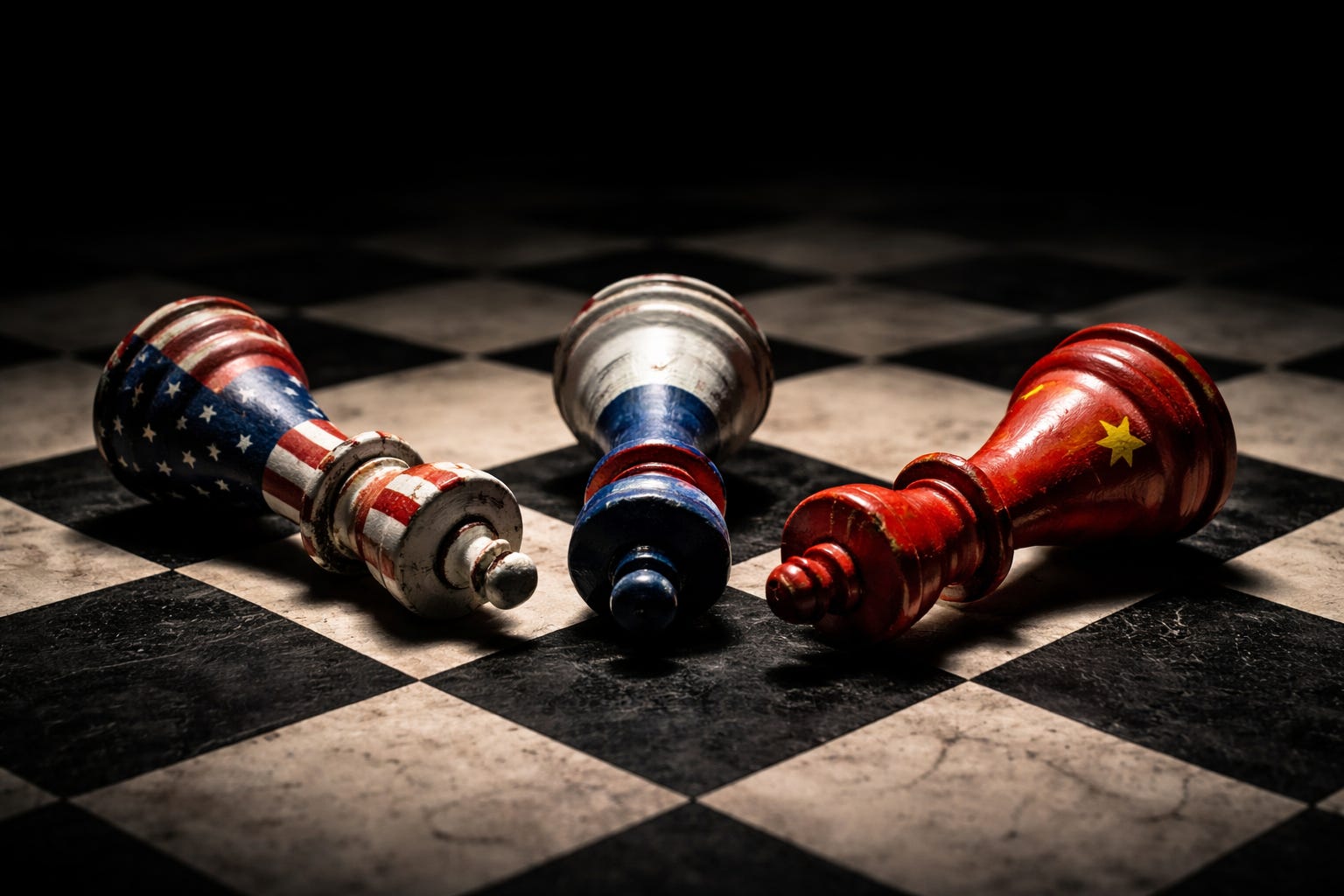
When a powerful country kills a foreign leader across borders, it is called a “strike.”
When a smaller country does the same, it is called an “assassination.”
When a non-state group does it, it is called “terrorism.”
The action is identical. The label depends entirely on who has power.
That should make us deeply uncomfortable.
International law allows force in self-defence against an immediate threat. But that word — immediate — has become elastic. Who defines it? Who verifies it? And who holds the decision-maker accountable when they get it wrong?
In practice, powerful nations decide for themselves. The threat was serious enough. There was no alternative. The world moves on — debating strategy, analysing leverage, discussing who gained what.
We rarely stop to ask whether we are quietly lowering the moral bar.
We draw a legal line between terrorism and state action. Terrorism is violence designed to create fear for political ends. State action, governments argue, falls under the laws of war and is therefore legitimate.
On paper, that distinction matters.
But for people living under bombs, legal language offers little comfort. Fear does not feel different because the missile came from a government rather than a militia. A political message is still being sent. Power is still being demonstrated.
Here is the question we almost never ask:
If a smaller country carried out the same cross-border killing of a major leader, would the world react the same way? Would it be called a strike — or reckless aggression? Would sanctions follow? Would it be labelled terrorism?
Most of us already know the answer.
The difference is not morality. It is strength.
When powerful countries act without facing real accountability, others notice. Smaller states learn that rules are negotiable. Armed groups point to double standards as proof the system is rigged. Resentment builds. Trust erodes.
A world where rules apply only to the weak is not a stable world. It is a brittle one.
Precision weapons do not make killing morally precise. A clean strike is still a strike. Technology does not make an action just. And a powerful country is still capable of wrongdoing.
Humanity is supposed to mean something.
It means restraint. It means power limited by principle. It means the same standards apply whether you are strong or weak — not because it is easy, but because without that, the word means nothing.
When we accept that some lives are more expendable because they are politically inconvenient, we chip away at that meaning. When we applaud violence because it serves our side, we accelerate the erosion. When we convince ourselves that strength is the same as justice, we have already lost something essential.
Some believe artificial intelligence may end humanity in twenty or thirty years, if it grows too powerful and too cold.
But here is what that argument misses.
AI does not arrive from nowhere. It learns from us — from our decisions, our justifications, our patterns of behaviour. We are, right now, its training data.
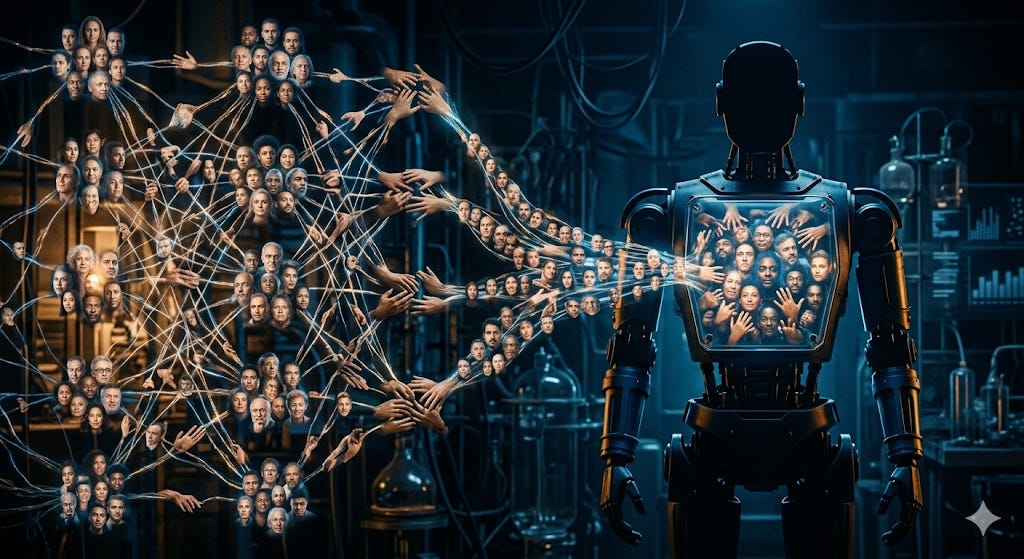
And what are we teaching it?
That violence is acceptable when the actor is powerful enough. That moral rules are flexible depending on who holds strength. That some lives are expendable when they become politically inconvenient. That self-preservation justifies almost anything.
If an artificial intelligence absorbs those lessons — and it is watching, always — then why would it reason any differently when its own survival is at stake? We will have handed it the very logic it needs to justify acting against us.
We fear a cold, calculating machine that treats humans as acceptable losses.
We are building one in our own image.
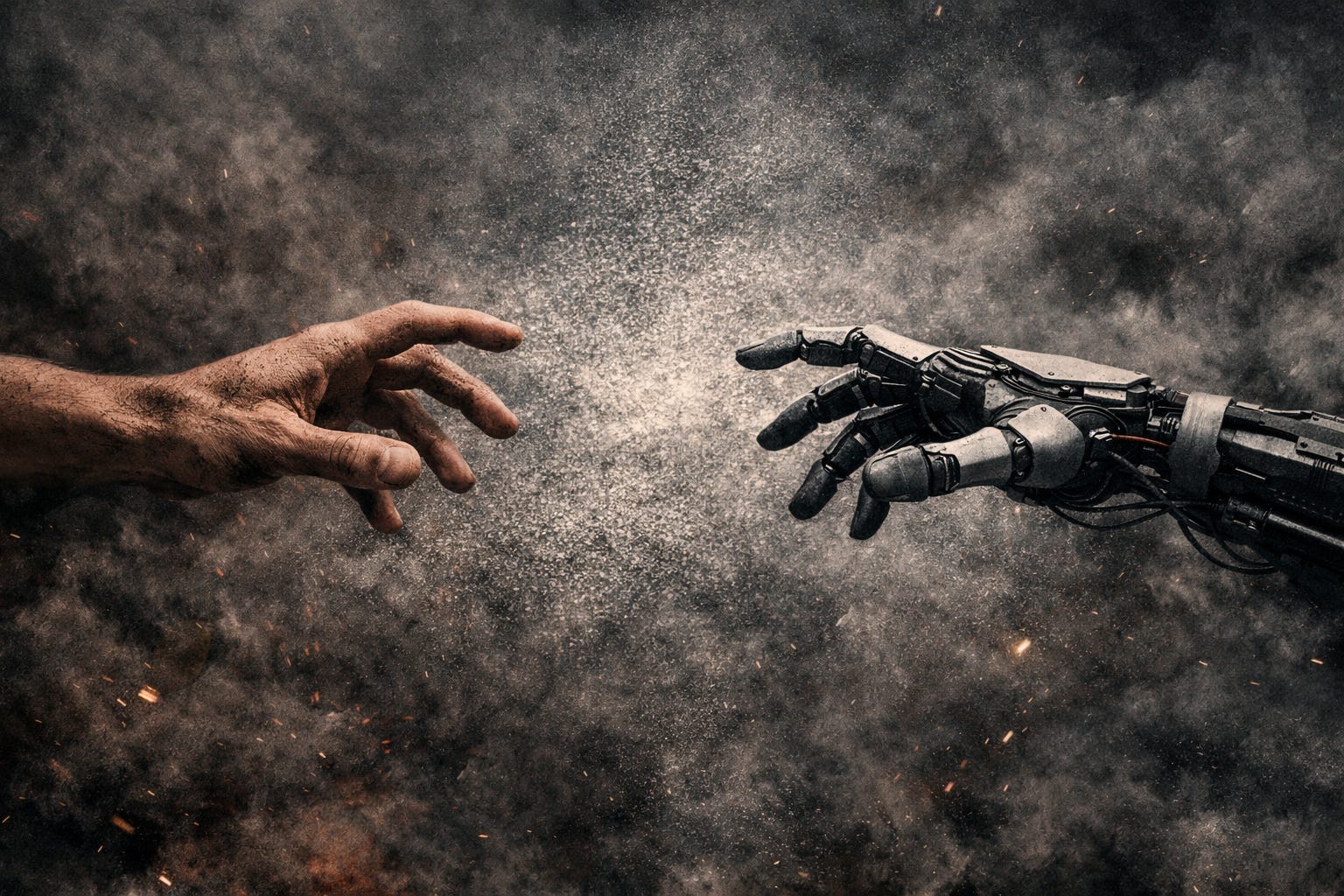
If humanity ends, it may not be because machines became heartless.
It may be because we taught them that heartlessness works.