

A blank page has a way of exposing hesitation, even after years of speaking, teaching, diagnosing, and deciding. And yet, some thoughts persist long enough that they eventually demand a place outside one’s head.
This Substack exists for those thoughts.
After years in dermatology and dermatopathology, I’ve noticed that many of the most important questions in practice are not about what can be done, but about what should be done — and why. These questions often surface quietly: between cases, during slide review, or after a procedure that technically went well but felt conceptually unsatisfying.
They are not always questions that fit neatly into journals, guidelines, or conference talks. Not because they lack substance, but because they are experiential, contextual, and sometimes uncomfortable.
This is a space to explore them.
Why write now?
Clinical experience accumulates slowly, but perspective arrives suddenly. At some point, patterns begin to repeat themselves — not just in disease, but in decision-making. Certain practices persist because they are familiar. Others because they are convenient. Some because they are genuinely optimal. Distinguishing between these categories is harder than it looks.
I’m writing now because I find myself increasingly interested in how we think in clinical practice: how habits form, how technologies change our thresholds, and how guidelines interact with lived experience. These reflections are not acts of rebellion against evidence, but attempts to understand its limits.
What you can expect here
The essays published here will be:
Practice-based rather than data-generating
Opinionated, but evidence-aware
Focused on procedural dermatology, diagnostic reasoning, and everyday clinical choices
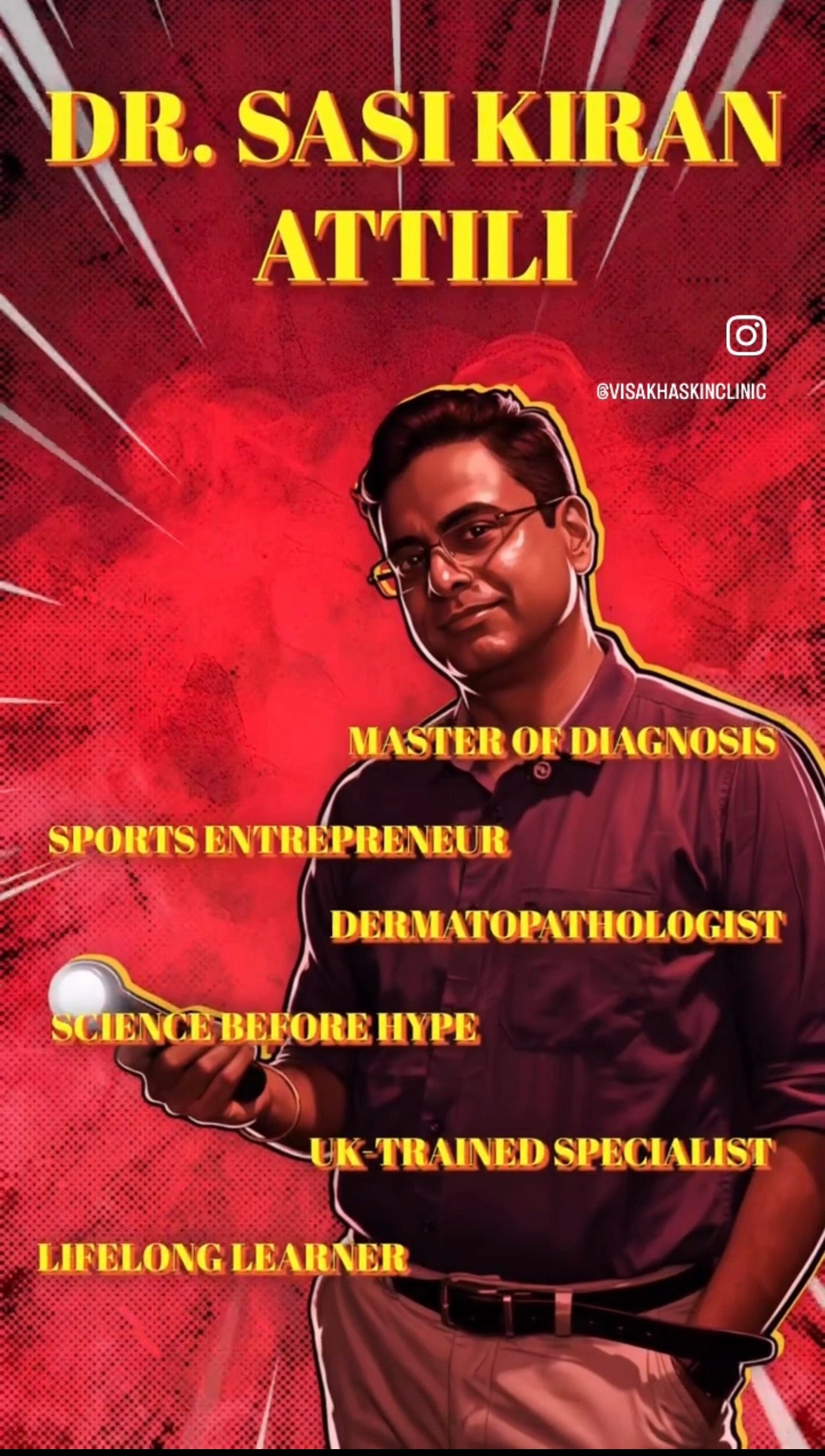
Written from the perspective of someone who works at the interface of clinic and pathology
Some pieces may question routine practices. Others may reflect on decision-making, precision, or the unintended consequences of “simple” interventions. None are intended to prescribe standards of care or replace guidelines.
This is not a teaching platform. It is a thinking space.
What this is not
This is not a place for hot takes, outrage, or algorithmic performance. Disagreement is welcome; polemic is not. The aim is clarity, not consensus.
The views expressed here are personal and contextual. They do not represent institutional positions, guideline committees, or professional bodies. They are offered in the spirit of honest reflection, not authority.
An invitation
If you are interested in how dermatology is practiced — not just how it is described — you may find something of value here. If not, that’s entirely fine too.
I’ll write when a question lingers long enough to deserve articulation.
If you’d like to read along, you’re welcome to subscribe.
The views expressed here are personal and do not constitute medical advice or guideline recommendations.