

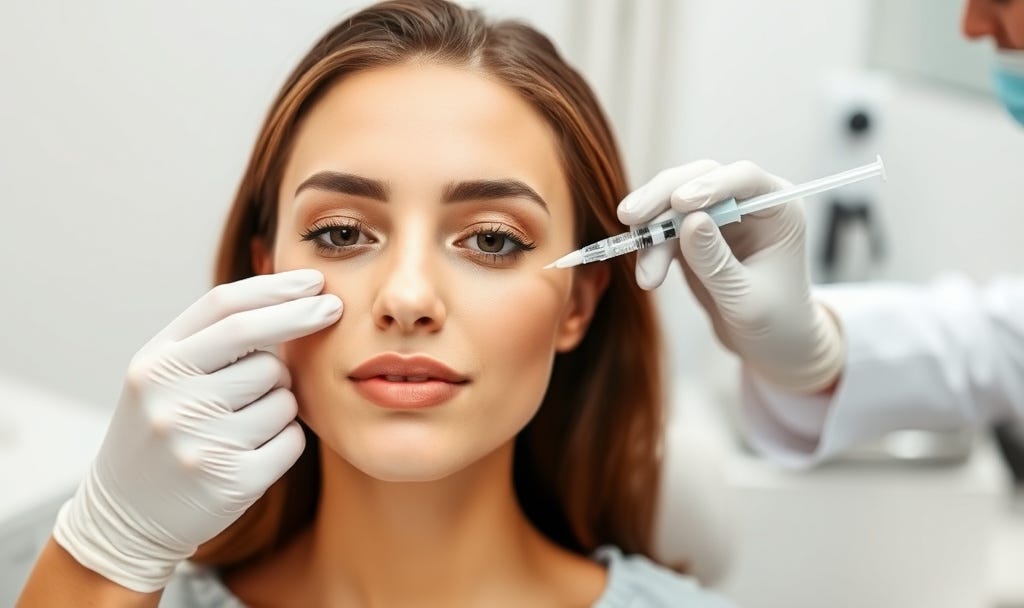
You may have seen exosome treatments popping up at aesthetic clinics, med spas, and hair restoration centres. Marketed as the next generation of regenerative medicine, exosome injections are being offered for everything from fine lines and skin texture to hair thinning and scalp health. The promises are compelling. But what does the evidence actually show — and is it enough to justify the treatment?
Here’s an honest, balanced look at what we know so far.
What Are Exosomes?
Exosomes are tiny particles — roughly 30 to 150 nanometres across — that are naturally released by cells throughout the body. Think of them as microscopic messengers. They carry proteins, genetic material (like RNA), and signalling molecules from one cell to another, helping to coordinate processes like tissue repair, inflammation, and cell growth.
The exosomes used in aesthetic treatments are typically derived from stem cells — most commonly mesenchymal stem cells (MSCs), which are found in bone marrow, fat tissue, and umbilical cord tissue. The idea is that when these exosomes are injected into the skin or scalp, they deliver regenerative signals that encourage the body to heal, renew, and restore.
It’s an elegant concept. The biology is genuinely interesting. But elegant concepts don’t always translate neatly into effective treatments.
Exosomes for Skin Rejuvenation: What the Research Shows
The majority of research into exosomes for skin has been done in laboratory settings (cell cultures) and in animal studies. These early findings are encouraging — studies have shown that exosomes derived from stem cells can stimulate collagen production, reduce inflammation, promote wound healing, and support the growth of new blood vessels in skin tissue.
There are also a growing number of small human clinical studies, mostly looking at exosomes in the context of wound care, burn recovery, and post-procedure healing (for example, after laser resurfacing or microneedling). In these settings, some trials have reported improvements in skin hydration, texture, and healing time when exosomes were applied topically or injected.
However, it’s important to understand the limitations of this evidence base:
Small sample sizes. Most human studies involve fewer than 50 participants, and many have no control group — meaning there’s no placebo comparison to rule out the natural improvement that happens over time or the effect of other treatments used alongside exosomes.
Short follow-up periods. We don’t yet have long-term data on how lasting the effects are, or whether there are any delayed side effects.
Inconsistent products. Not all exosome preparations are the same. The concentration, source, preparation method, and storage conditions vary significantly between manufacturers and clinics. This makes it very difficult to compare results across studies.
Lack of standardisation. There is currently no universally agreed-upon method for measuring or characterising exosome products, which creates real challenges for ensuring quality and consistency.
A 2023 review published in the Journal of Cosmetic Dermatology summarised the state of play well: while preclinical data is promising, robust, large-scale randomised controlled trials in humans are still lacking, and the optimal dosing, delivery method, and treatment protocols for aesthetic applications have not yet been established.
Exosomes for Hair Loss: A More Developed Evidence Base?
Hair restoration is arguably the area where exosome research is most advanced in clinical terms, though “most advanced” is relative.
The rationale for using exosomes in hair loss (particularly androgenetic alopecia — the most common type of pattern baldness in both men and women) relates to their ability to stimulate hair follicle cells, extend the growth phase of the hair cycle (known as the anagen phase), and reduce the miniaturisation of follicles that characterises pattern hair loss.
Several published clinical studies have reported positive outcomes. A notable 2021 study in the Journal of the American Academy of Dermatology examined the effect of exosome injections in patients with androgenetic alopecia and reported statistically significant increases in hair count and thickness at 12 and 24 weeks compared to baseline. Patients also reported improvements in overall hair density.
Other smaller studies have reported similar findings, with exosome treatments showing comparable or potentially superior results to platelet-rich plasma (PRP) — a more established injectable treatment for hair loss — in head-to-head comparisons.
That said, the same caveats that apply to skin research apply here. Most studies are small, lack long-term follow-up, and are not always rigorously controlled. Independent replication of results by research groups with no commercial interest in the outcome is still limited.
Is It Safe?
This is arguably the most important question, and the honest answer is: we don’t yet have comprehensive long-term safety data.
The short-term safety profile of exosome injections reported in clinical studies has been generally favourable. The most commonly reported side effects are mild and transient — redness, swelling, and discomfort at the injection site. Serious adverse events have not been prominently reported in the published literature.
However, a few important cautions deserve mention.
Regulatory uncertainty. In many countries, including the United States, exosome products intended for injection are not yet formally approved by regulators such as the FDA. In 2019, the FDA issued a safety alert warning that some exosome products were being marketed without proper regulatory oversight, and that there were risks associated with unproven treatments. The regulatory landscape varies by country, and patients should check the status of any product their clinic intends to use.
Source and manufacturing quality. Because exosomes are biological products, their safety depends heavily on how they are sourced and manufactured. Products derived from human or animal cells carry theoretical risks of contamination or immune reactions if not properly screened and processed. When buying into this treatment, you are trusting the quality control practices of the manufacturer — so it pays to ask questions.
Unknown long-term effects. Exosomes influence gene expression and cell behaviour. While the short-term effects appear benign, we don’t yet have data on what happens over years of repeated treatments.
How Does This Compare to Established Treatments?
It’s worth putting exosomes into context alongside treatments that have a much stronger evidence base.
For skin ageing, treatments like retinoids, injectable wrinkle relaxers, hyaluronic acid fillers, and energy-based devices (lasers, radiofrequency) have been studied extensively in large, well-designed trials over many years. Their efficacy and safety profiles are well established.
For hair loss, finasteride (for men), minoxidil, and hair transplant surgery have robust evidence supporting their use. PRP has a more modest but credibly studied evidence base, with multiple randomised controlled trials supporting its use for androgenetic alopecia.
Exosomes show genuine promise, but they are not yet in the same league in terms of evidence quantity or quality. This doesn’t mean they don’t work — it means we don’t yet know with confidence how well they work, for whom, at what dose, and for how long.
Questions to Ask Before You Proceed
If you are considering exosome treatment, here are some questions worth raising with your doctor:
What is the source of the exosomes being used, and can you provide information about the manufacturer’s quality and safety testing?
Is the product being used approved or cleared by the relevant regulatory body in this country?
What specific outcomes can realistically be expected for my particular concern, and what does the evidence say?
What are the known risks and side effects?
How many treatments are recommended, and what is the cost of the full course?
Are there established alternatives with a stronger evidence base that I should consider first or alongside this treatment?
A good clinician will welcome these questions. Be cautious of anyone who dismisses them or makes extravagant promises.
The Bottom Line

Exosome therapy sits in an interesting position: the underlying science is credible and the early clinical data is encouraging, but the evidence base is still young and not yet sufficient to draw firm conclusions about efficacy and long-term safety for most aesthetic applications.
This does not mean you should dismiss exosome treatments outright — for some people, particularly those who have not responded well to other options, they may be worth exploring as part of a conversation with a qualified practitioner. What it does mean is that you should go in with clear eyes, realistic expectations, and a healthy degree of critical thinking.
The field is moving quickly. Over the next five to ten years, as larger and better-designed clinical trials are completed, we should have a much clearer picture of where exosomes earn a genuine place in the treatment of skin ageing and hair loss. For now, they remain a promising but still-evolving option — and informed patients are always the best-protected ones.
This article is intended for general information purposes only and does not constitute medical advice. Please consult a qualified healthcare professional before undergoing any aesthetic or medical treatment.